Until recently, representatives of peoples subordinated to Moscow were largely seen internationally as human-rights advocates. That is changing: they are increasingly appearing as political representatives of their own communities.
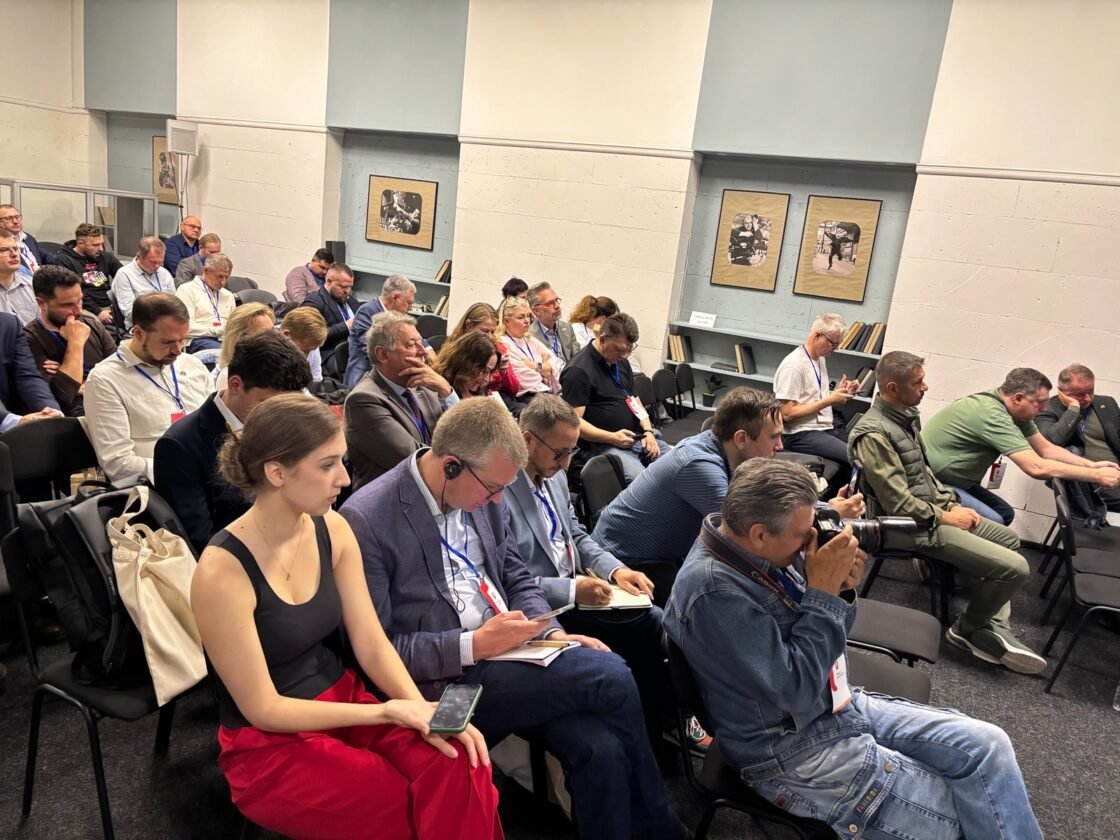
On 17-18 September, Washington hosted a meeting of representatives of Indigenous Peoples of the North, Siberia and the Far East together with Russian democratic organisations. The agenda included decolonisation, self-government, federalism, land and resource rights, and the place of Indigenous Peoples in possible future political arrangements.
The significance goes beyond one conference.
Peoples whom Moscow spent decades claiming to represent before the outside world are beginning to build their own channels of international representation.
In 2025, the Parliamentary Assembly of the Council of Europe established its Platform for Dialogue with Russian Democratic Forces, reserving five of 15 seats for representatives of Indigenous peoples and national minorities. PACE’s resolution explicitly states that the colonial legacy of the Russian Federation must be addressed and that the interests of Indigenous and colonised peoples must be taken into account.
Over the past year, representatives of these peoples have appeared at the UN, the OSCE and PACE. At the Indigenous Vision Forum in Berlin this September, they discussed how to turn that international visibility into sustained political presence.
This reflects a fundamental change.
Moscow has long claimed to speak for Buryatia, Sakha, the peoples of the North and the Far East. Increasingly, representatives of those nations are speaking for themselves — not only about culture or repression, but about self-government, resources, political rights and the future status of their homelands.
There is no single agreed position among these movements on Russia’s future. The Washington meeting considered several scenarios, ranging from a fundamental restructuring of relations within Russia to the possible emergence of new states. The organisers presented these as scenarios for securing rights and political guarantees, not as predictions.
But the discussion itself is historically significant.
Decolonisation begins when the imperial centre is no longer the only interpreter between a people and the outside world.
Moscow can gradually lose its monopoly on representation through international forums, diaspora networks, political declarations and emerging institutions.
When the future of the territory now controlled by the Kremlin is eventually debated, the ability of its peoples to speak for themselves may matter as much as changes to the borders themselves.